Think first, then write

Cal Newport recently published a post titled ‘In Defense of Thinking‘ where he writes about the importance of spending time thinking about what to say before writing. He argues it is the deep contemplation, not the writing, that is important. This idea is in direct opposition to writers’ advice to just sit down each day and get in a predefined word count done.

My working habits are simple: long periods of thinking, short periods of writing.

Ernest Hemingway

When I started studying at the LSE, I had not written an essay in several years. In the first few weeks, I read the university’s ‘Strategies for success’ study skills handbook guidance. The guidance given was that a large portion of the marks came from the quality of the answer to the essay question rather than just writing everything you could remember about the topic. The argument should be laid out in a single sentence in the introduction, with the rest of the writing build around this. The handbook said to think of an essay as a game where you show you can think and have read widely and then evidence your knowledge, analysis, critical skills and understanding. 

The typical format of the exam essays was to spend 45-60 minutes on a single question. From this time, we were taught to use 5-10 minutes to plan out the answer and structure of the argument. Within the 45 minutes, the aim was for around 1000 words that included a structured introduction, conclusion, and at least four paragraphs, each covering a specific justification of the answer. This structure was critical in making you think about the reasoning of your argument and structure theories, examples, rules, and texts to support it.

Writing guides like Writing that works by Keith Roman and Ninja Writing by Shani Raja suggest you start by structuring the narrative as bullet points before you write it out in continuous pros. Andres Erricson in Peak suggests that good writers start with what they want the reader to do before building an argument. The 5-10 minute essay plan, the bulleted narrative, and beginning with the call to action are tools to help you think about what to write before you start to put it into extended writing.

Experts do it differently. Consider how my coauthor and I put this book together. First, we had to figure out what we wanted the book to do. What did we want readers to learn about expertise? What concepts and ideas were important to introduce? How should a reader’s ideas about training and potential be changed by reading this book? Answering questions like these gave us our first rough mental representation of the book – our goals for it, what we wanted it to accomplish. Of course, as we worked more and more on the book, that initial image evolved, but it was a start.  

Anders Ericsson and Robert Pool

When you pick up books on writing that talk about the practice of writing as a method to beating writers blog, question if the approach being given will lead to quality writing. That last 45 minutes of actual writing might be the end product of hours of reading and thinking before sitting down to work. Separate your thinking from your writing and only write once you have something meaningful to say. This practice is about quality over quantity in your writing and about making you more intelligent in the process.
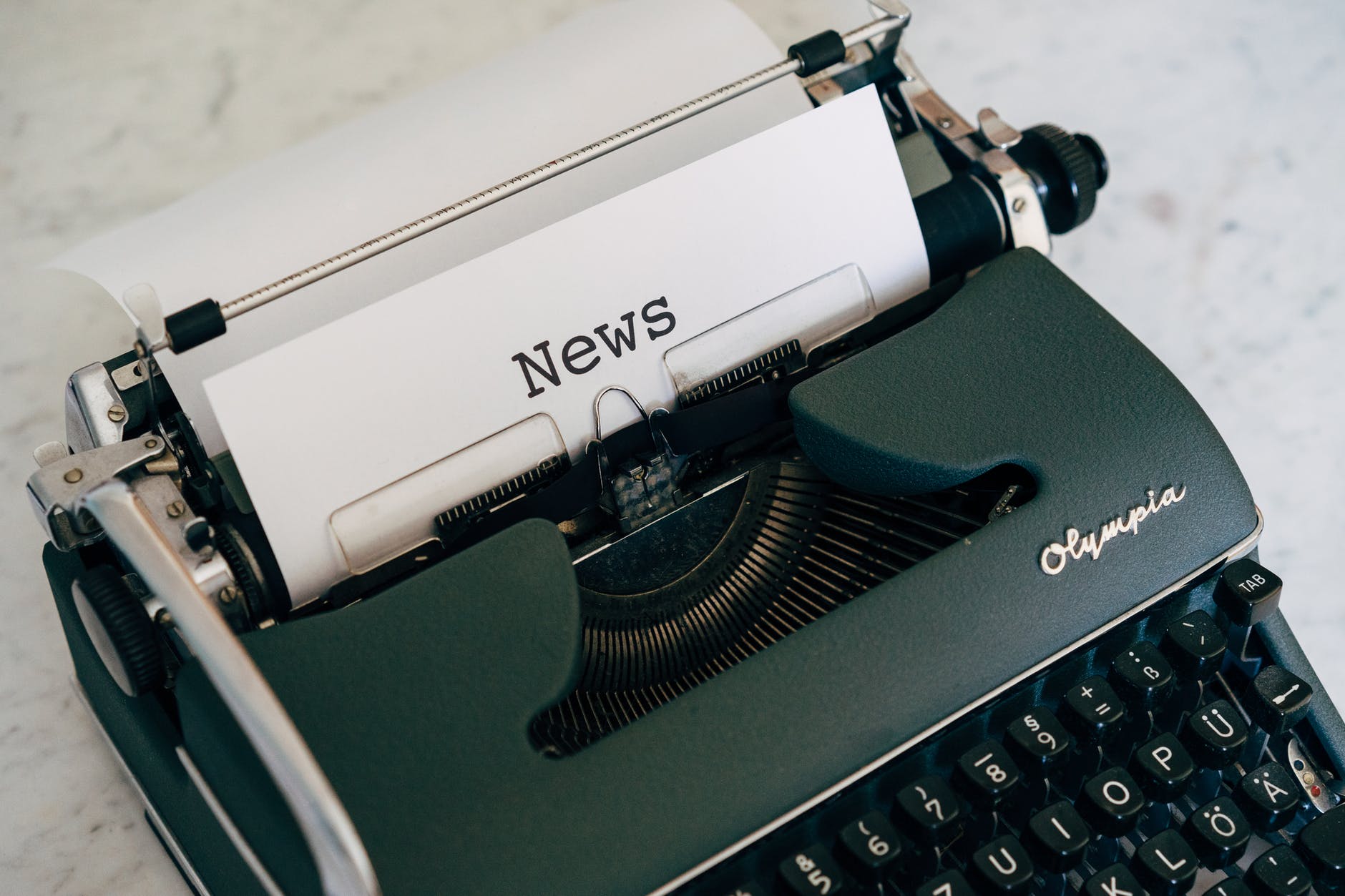
The New Journalism

Photo by Markus Winkler on Pexels.com

I love great journalism and have been a subscriber of the Economist since 2010, when I started studying at the LSE. Each week I listen to the audio version of The world this week, the Leaders, and the Britain, International, and Business sections. I also read the daily WONKHE, a higher education policy website and newsletter that keeps me somewhat informed about the sector where I work.

However, I have recently started to move away from other forms of legacy news and find new media much more informative with high-quality, more in-depth, and longer-form content. These include mini-documentaries from Economics ExplainedColdFusion, and Johnny Harris and long-form interviews from Modern WisdomTriggernometry, and of course, Joe Rogan

Johnny Harris, formally of Vox, produces beautifully edited and well-written content. He has 810,000 subscribers to his Youtube channel and regularly gets over a million views on his videos. In a recent video, he provides seven lessons he has learnt over the last seven years of journalism: 

  1. Objectivity is a myth – every piece of news is produced by a human who has chosen what to include, what to leave out, and how to frame it. Aim to be fair and generous to the other side of the argument and present the best version of the viewpoint. Be clear and balanced about the facts.
  2. A lot of journalists write for their peers, not their audience – It can be challenging for people to understand the intricate parts of the news unless you already understand the area. The audience tends to feel left out. Use clear, simple language and avoid jargon.
  3. Journalism has a lot of very old customs/traditions – be a character (use I) and tell the story to the audience include facts, data, people, and help inform the reader. Be a part of the store, and make it beautiful with the imagery and music.
  4. Journalism school isn’t always the best way to go – schools spend too much time on theory, tradition, history, and critique of the old way of doing things. They don’t leave space for students to experiment with the new direct to consumer journalism. Just make content and aim to get better at it by learning in the trenches.
  5. Journalism is economic in its very nature – journalism is a business through subscriptions, donations, or ads, which comes with incentives. Private media can get out of control with the motivation to chase volume and clicks, which does not always lead to great journalism. If you want great journalism, pay for it and be the customer, not the product.
  6. Good writing is rare and beautiful – good journalism is good writing; it should be great storytelling, clear, concise and simple in its wording. Develop your writing to develop the quality of your journalism.
  7. Good journalism is important – good journalism is hard to produce but makes a positive impact. It is precise with the facts and honest about its biases to allow the reader to scrutinise it.

Here is Johnny’s affiliate link to his suggested book for improving your writing, The Sense of Style by Steven Pinker. You can subscribe to The Economist via their website. The writing course I am working through to improve my content is Ninja Writing: the Four levels of Writing mastery by Shani Raja, a former writer and editor for the Economist. Shani also has a free course on Ubemy called Secret sauce of great writing.

Let me know your recommendations for great journalism on Twitter @samueljtanner.