
Today I visited my local zoo. After nearly four months of lockdown, I got to walk around in glorious spring sunshine with real people. All of the indoor spaces were closed, and the chimpanzees and giraffes decided to stay indoors, but the rest of the animals, including gorillas, bonobos, rhinos, leopards, and a tiger, were in fine form.
Zoo animals have struggled during the lockdown. Conditioned to the constant attention of visitors, the animals have experienced loneliness and stress. Zookeepers have had to swap around the animals they look after to offer them some variety and attention. Zookeepers have dressed as visitors and taken pictures of animals across their zoos or come up with other creative ways to engage the animals. Some gorillas have had films played to them to keep them stimulated. Monkeys, apes, cats, and peginues have particularly struggled with the change.
In the book, the Life of Pi, the main character grows up in a zoo. He describes how zoo animals are pretty content with the safety and regular food they get in the captive environment. The book details how zoo life is subjectively neither better nor worse for the animals than life in the wild. The author writes that wild animal are not really ‘free’ as they live in fear in an unforgiving environment with a scarcity of food and a constant need to defend territory from other animals.
How ethical are zoos? My local zoo, Twycross, has labels on all the inclosures about the endangered status of each species and details the work the zoo does to breed and reintroduce endangered species into the wild. They also do a lot of conservation work in the natural habitats that the animals come from, helping to protect them for future animals to continue to have a come. Many zoos act as shelters for rescued animals or animals that cannot survive in the wild for many reasons. Zoos in the UK develop veterinary and health science for animals and train vets that can help wild animals in their natural habitats. But zoos are also businesses; and but having a demand to see these animals creates a need for a supply that may not be ethical.
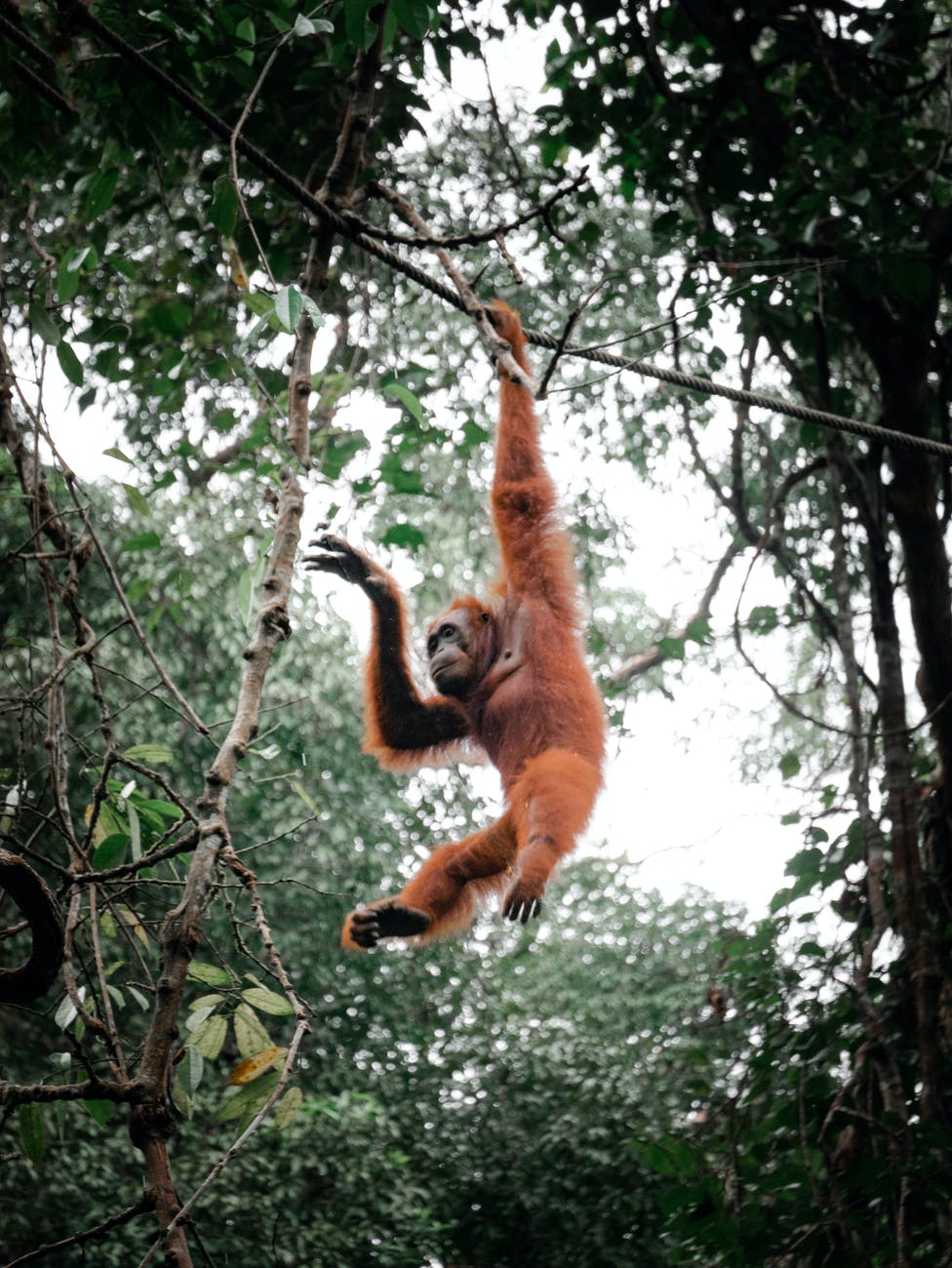
The last animal we saw was a fully grown orangutang. This ape was a giant. As I stood alone next to the habitat window, the ape came right up to the glass and stared straight into my eyes. The great apes are highly intelligent animals and share many traits with humans. When you get so close and interact with a fantastic animal like this, you have to question the ethics of keeping them in an enclosure. But where would these animals be if they were not taken care of by zoos like these? The orangutang had plenty of space and lots of fun things to play with and climb on, he was safe and well-fed, but he was not free.
Zoos are the only place that many of us will ever get a chance to see animals like these. They play an essential part in the conservation efforts to keep these animals from extinction and connect people to the creatures losing their habitats, helping us care about preserving the habitats we are unlikely ever to visit.
Whatever your feelings on zoos, the animals currently in zoos want visitors, and the zoos need support to help care for the animals they have and are helping in the wild. If you have a free day and want to get outside and see something extraordinary, make your way to your nearest zoo.
 SamuelJTanner